As 2026 begins, many American households are paying close attention to news about a one-time $2,000 direct deposit being issued by the IRS. With prices for groceries, rent, utilities, and winter heating still stretching budgets, this payment has arrived as a welcome source of relief. Unlike regular tax refunds that depend on overpaid taxes, this payment is designed as targeted financial support with no repayment required. Its timing at the start of the year makes it especially useful for families recovering from holiday expenses.
This guide explains what the IRS $2,000 payment really is, who may qualify, how the IRS plans to send it, and what steps you can take now to make sure you do not miss out. Everything is broken down in clear and simple language so you can plan ahead with confidence.
Understanding the $2,000 IRS Direct Deposit
The $2,000 IRS direct deposit scheduled for January 2026 is a one-time federal relief payment. It is meant to help eligible households manage everyday costs that have risen due to inflation. This payment is not a loan and does not need to be paid back. It is also separate from your normal tax refund and does not depend on whether you overpaid taxes during the year.
यह भी पढ़े:
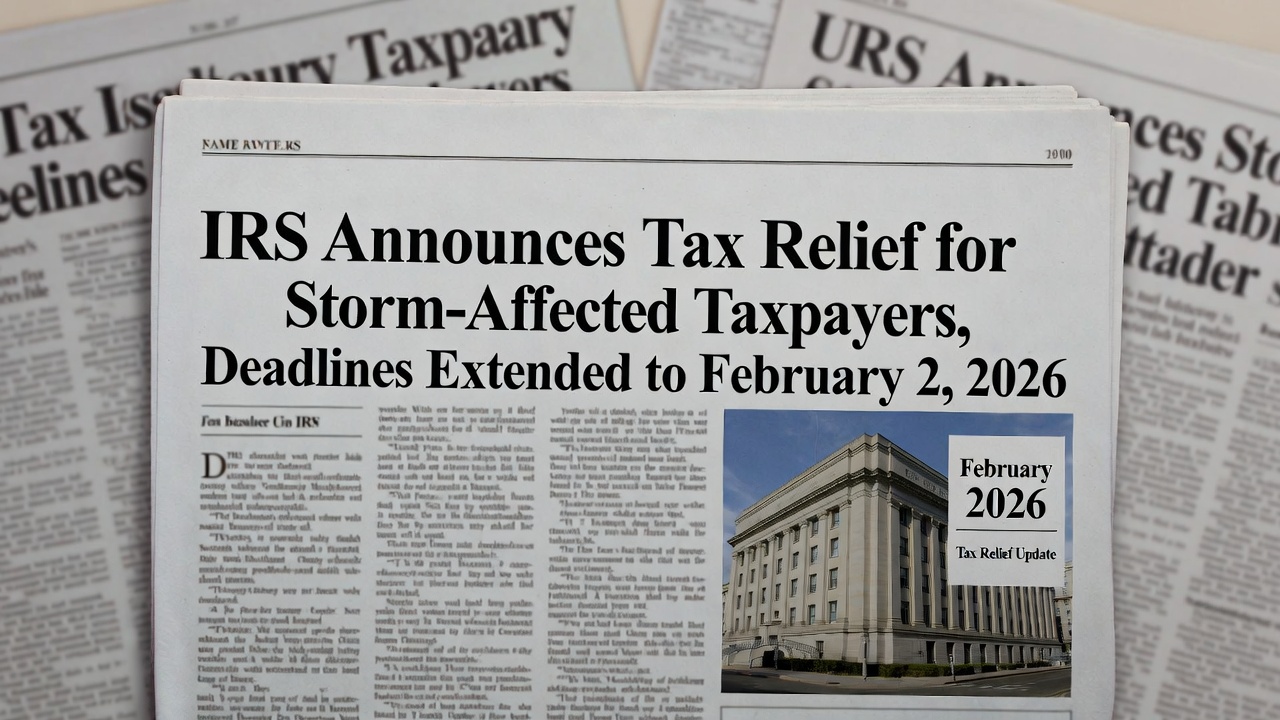
 IRS Announces Tax Relief for Storm-Affected Taxpayers, Deadlines Extended to February 2, 2026
The IRS is using recent tax filings from 2024 or 2025 to identify eligible recipients. By relying on existing records, the agency can send payments quickly without asking people to fill out extra forms or applications. This approach reduces delays and allows families to access funds when they need them most.
Why the Payment Is Being Issued at the Start of 2026
January is often one of the hardest months financially. Holiday spending catches up, heating bills peak, and everyday costs remain high. The IRS $2,000 payment is timed to provide a financial cushion during this stressful period. Rather than launching a long-term program, the government chose a one-time payment to address immediate pressure without adding ongoing complexity.
Using up-to-date tax information allows the IRS to move faster than in past relief efforts. Even for people who do not have direct deposit set up, the system is designed to reduce wait times and avoid unnecessary complications.

Who May Qualify for the $2,000 Payment
Eligibility for the January 2026 payment depends mainly on income, filing status, and residency. The program is aimed at low- to middle-income individuals and families. Income limits differ for single filers and married couples filing jointly, with higher thresholds for households supporting dependents.
A valid Social Security number is required, and recipients must meet U.S. residency requirements. People who have not filed recent tax returns may risk missing the payment unless they update their information with the IRS. Filing or updating your return is one of the most important steps to secure eligibility.
How the IRS Confirms Eligibility
The IRS checks eligibility automatically by reviewing tax return data. This includes income levels, filing status, and dependent information. Most people will not need to submit new paperwork. However, incomplete or outdated records can slow things down and may trigger additional verification.

To avoid delays, it is wise to review your information on IRS.gov. Making sure your address, bank details, and filing status are accurate helps ensure the payment is processed smoothly and on time.
January 2026 Payment Timeline
Payments are expected to roll out in stages throughout January 2026. People with direct deposit on file are likely to receive their money first, often within the first ten days of the month. Those without direct deposit will receive payments later in the form of paper checks or prepaid debit cards.
Mail delivery can take longer, so timing may vary depending on location and bank processing speeds. Checking your IRS online account can help you track when your payment is scheduled or sent.
यह भी पढ़े:
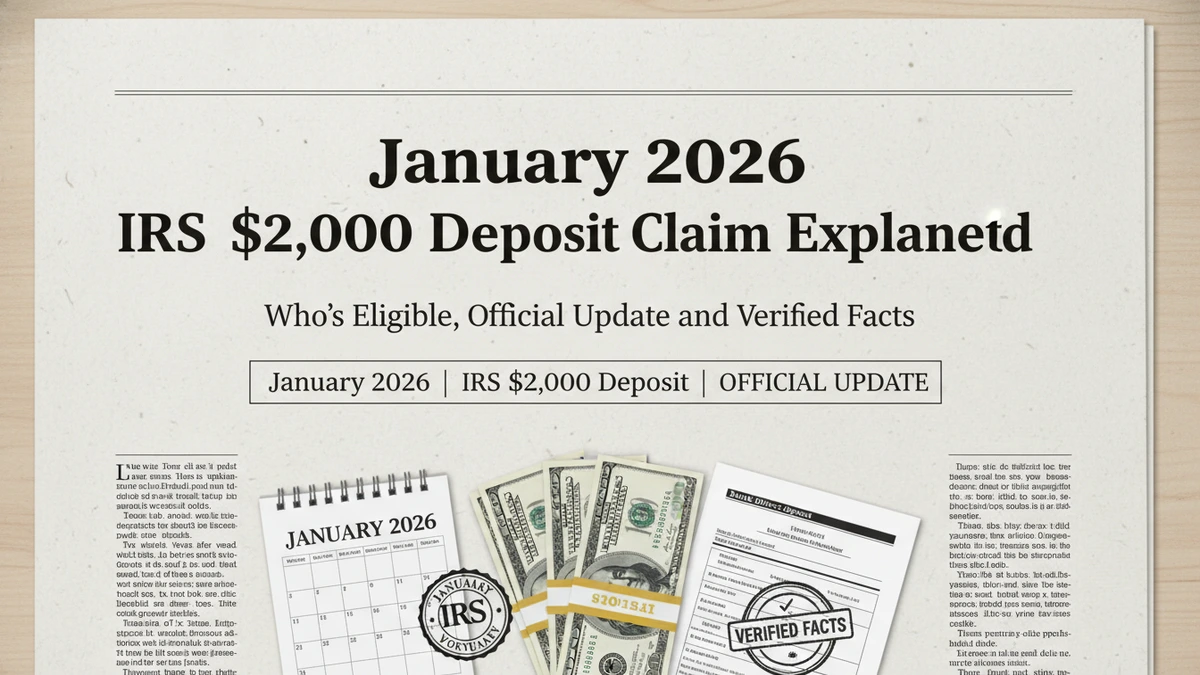
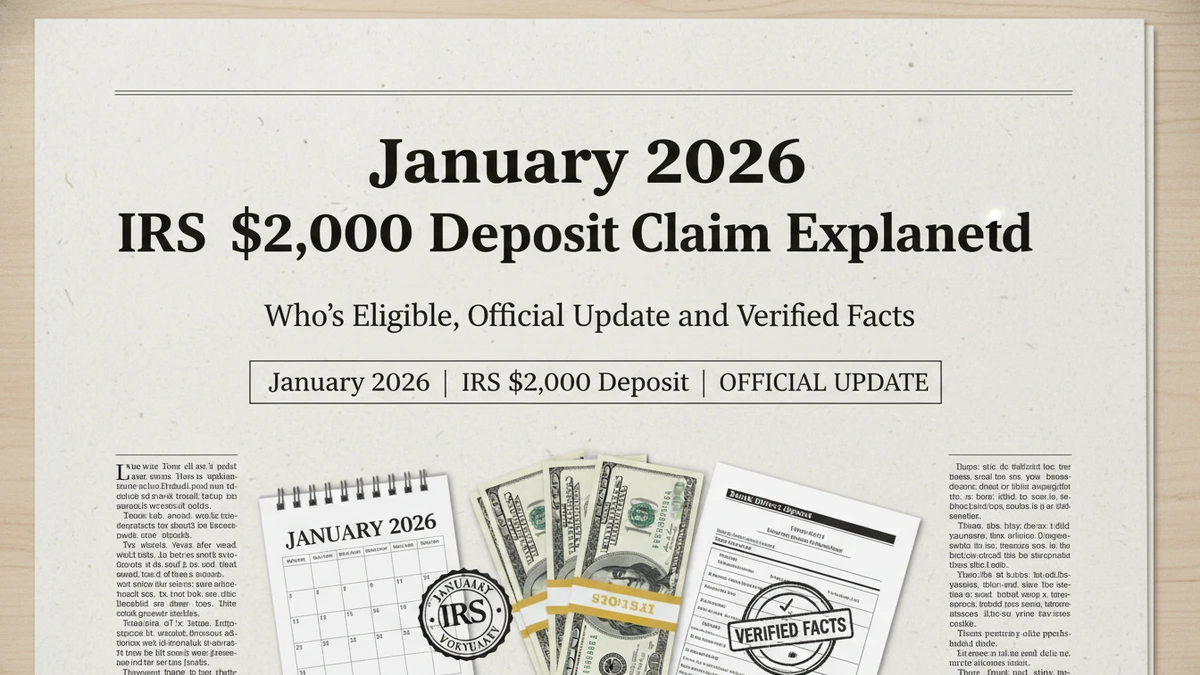
 January 2026 IRS $2,000 Deposit Claim Explained: Who’s Eligible, Official Update and Verified Facts
How You Will Receive the $2,000 Payment
Direct deposit is the fastest and safest way to receive the IRS payment. The money will be sent to the same bank account used for your most recent tax refund. This method reduces the risk of delays, loss, or theft.
If the IRS does not have your banking information, the payment will be mailed to the address listed on your tax return. This may be a paper check or a prepaid debit card. Ensuring your mailing address is current is critical if you are not using direct deposit.
Steps to Take Now to Avoid Missing the Payment
Preparing early makes a big difference. Review your most recent tax filing and confirm that your personal details are correct. If you have moved or changed bank accounts, update your information through official IRS tools as soon as possible.

If you have not filed a recent tax return, consider doing so even if your income is low. Filing allows the IRS to include you in its payment system. Monitoring official IRS announcements instead of relying on social media rumors will also help you stay informed and protected.
How This Payment Differs From Past Stimulus Checks
Unlike earlier stimulus payments that were broadly distributed, the 2026 IRS $2,000 payment is more targeted. It relies on verified tax data and income thresholds rather than universal eligibility. This focused approach aims to direct help to households most affected by rising costs while reducing errors and delays.
The payment is also designed as temporary support rather than an ongoing benefit. Its purpose is to stabilize finances during a challenging period, not to replace long-term income or assistance programs.

What the Payment Could Mean for Families
For many households, $2,000 can cover essential needs such as rent, utilities, groceries, or medical expenses. Others may use it to pay down debt or rebuild emergency savings. While it may not solve long-term financial challenges, it can provide breathing room and reduce stress at a critical time.
By arriving early in the year, the payment helps families start 2026 on stronger footing. It reflects a policy approach that responds to real-world pressures with timely, practical support.
Disclaimer
This article is for general informational purposes only and does not provide legal, financial, or tax advice. Eligibility rules, payment amounts, and timelines may change based on official government guidance. Readers should consult the IRS or a qualified professional for advice specific to their individual situation.